Power Generation
When a unit trips, the megawatts stop. Acervas keeps the fix that gets you back on load.
A combined-cycle block earns by the megawatt-hour, and it stops earning the instant any one machine in the chain comes off load. The gas turbine fires, the HRSG raises steam, the steam turbine turns and the generator pushes onto the grid: series-coupled, end to end. Trip one and the whole unit drops, so what you lose isn't a component, it's the generation plus the replacement power you now have to buy back.
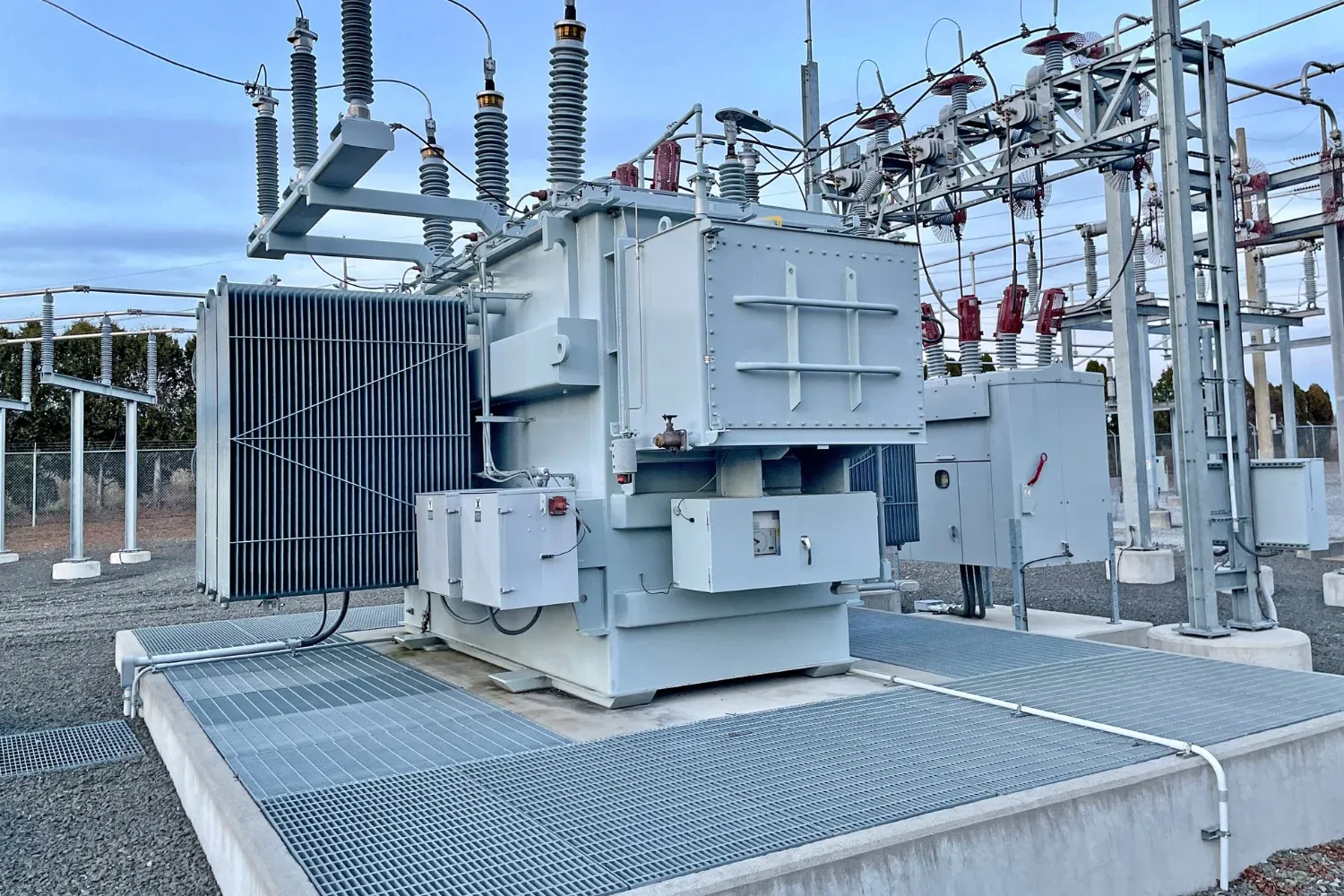
It's the back of a night shift and the gas turbine trips on a fuel-gas valve fault. The HRSG cools, the steam turbine comes off the bars, the generator drops off the grid, and a control-room screen full of alarms says the unit is down but not why. The dispatcher still needs the megawatts you were carrying, so they come from somewhere more expensive, and the meter on that runs the whole time you're dark.
The engineer on shift has seen this fault before, or someone has, but that someone is asleep, retired, or two stations away. So the unit sits off load while the crew rediscovers a fix that already exists. That isn't a repair. It's a search, and on a generating unit, search time is metered at both ends: the generation you aren't selling, and the replacement power you are buying.
Why a generating unit punishes a lost fix
A combined-cycle block is coupled by design. The machines feed each other, so a turbine trip takes the HRSG and the generator down with it, and the cost of a stop is the whole unit coming off the grid, not one machine. Between lost generation and replacement power it runs into the tens of thousands of dollars an hour before you count anything else.
And the restart isn't a switch. You roll, soak and re-sync on a sequence the steam side won't let you rush, so every hour of diagnosis sits on top of hours of getting back to load. The repair is rarely the hard part. The diagnosis is. And most trips on a mature unit aren't new. They're a recurring fuel-gas valve fault or a high-vibration alarm that the last crew already worked out at 3am, on another shift, months ago, whose answer never made it past their own memory.
The kit a single fix has to know across the unit
A generating unit is multi-OEM from the air intake to the grid: gas turbine, HRSG, steam turbine, generator, feed pumps and transformers rarely come from one supplier. Acervas indexes every fix against the exact machine, make, model and variant, so a search lands on your frame, not a generic power-plant answer.
- Gas turbines
- Siemens EnergyGE VernovaMitsubishi PowerAnsaldo Energia
- Steam turbines & generators
- Siemens EnergyGE VernovaMitsubishi PowerDoosan Škoda PowerToshibaAnsaldo Energia
- HRSG, boilers & burners
- NEM EnergyVogt PowerBabcock PowerDoosanMitsubishi PowerGE Vernova
- Boiler feed pumps & condensers
- SulzerFlowserveKSBEbaraWeir
- Generator step-up & power transformers
- Hitachi EnergySiemens EnergyGE VernovaABBMitsubishi Electric
- ID/FD fans & air preheaters
- HowdenTLT-TurboReitzLjungström
Your CMMS records that the unit came off load. It will never surface how it got re-synced.
Where the fix lives now, and where it should
Right now the answer lives in the heads of the senior engineers who have run the unit longest. It leaves on the next shift change, and it walks out the gate the day they retire. A logbook only helps if the next operator reads it; a work order tells you the turbine tripped, not what the engineer actually did to clear the lockout and get back on the grid.
Acervas captures the fix the moment it's made: voice, photo or text, at the machine, in seconds. Next time that trip appears on any shift or unit, the last fix is the first thing the control-room operator sees: a four-hour cold troubleshoot on a turbine lockout becomes "check the flame-scanner cooling air", the diagnosis you already paid for, handed straight back. And because the same Siemens Energy and GE Vernova frames run in stations you'll never tour, a fix logged at one company can answer the same fault on the same frame at another, anonymised: company, station, unit and the name of whoever solved it are stripped out before anything travels. It's opt-in, you both give and get, and your own plants' fixes always rank first. Acervas isn't a CMMS and doesn't replace one; it's the knowledge layer on top.
So, a few honest questions
- –When your last gas-turbine trip cleared at 3am, where did that fix end up: the CMMS work order, or one engineer's head?
- –If your most senior reliability engineer handed in their notice tomorrow, how many start-up quirks and trip workarounds walk out with them?
- –Of this year's forced outages, how many were genuinely new faults, and how many had been re-synced before, just not by whoever was on shift?
- –While the unit sat dark, who was metering the replacement power you had to buy back, and was that time repair, or rediscovery?
If those landed, that's the gap. Acervas captures the fix the moment it's made and hands it to the next person at the panel: on your unit, or on the same frame in a station you'll never tour.
Questions engineers ask first
- Does it work with our existing CMMS?
- Yes. Acervas is not a CMMS and does not replace one. It runs alongside the system you have: your CMMS stays the system of record, Acervas is the knowledge layer on top, reading your equipment hierarchy and pointing each fix back to the work order.
- Our units are multi-OEM. Does that matter?
- No, that is the point. Acervas indexes fixes against make, model and variant, so a Siemens gas turbine, a Doosan HRSG and a Sulzer feed pump each carry their own searchable history instead of one undifferentiated pile.
- Are our fixes shared with other generators?
- Pooled by machine and anonymised. The frame make and model travel the network; your company, station, unit and people do not. You choose whether to join, and you can leave.
- How fast before it is useful in the control room?
- Fixes start being captured in the first week, and the answers compound as your team logs them, and as other plants on the same frames do too.
See how Acervas works with your CMMS, or talk to us about your line.
Stop losing knowledge. Start building on it.
Tell us about your plants. We'll onboard your first one free for 90 days: your engineers are capturing knowledge inside a week.