Oil & Gas / LNG Processing
The train doesn't trip alone. Acervas keeps the fix that gets the string spinning again.
A liquefaction train is one rotating chain: gas turbine driving the refrigeration compressor, the compressor feeding the cold box, cryogenic pumps moving product out. Drop a single machine and the whole string comes down, with the flare lit and a cargo slipping its window. The fix that gets it spinning again is the most valuable thing on the plant, and right now it lives in one rotating-equipment specialist's head.
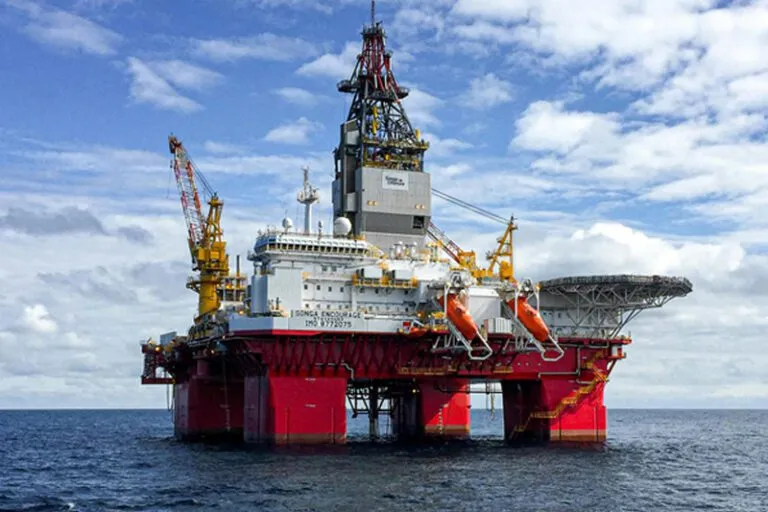
It's two outages ago, on the other roster. The propane compressor throws a high-vibration alarm, the anti-surge logic does its job, and the turbine driver trips with it. The cold box stalls, the cryogenic pumps wind down, and within a minute the flare is carrying gas you can't push through any more. Somewhere a cargo that was due to load this week quietly becomes a cargo that loads next week.
The specialist who chased that fault down to a seal gas differential is on leave now, or on another roster, or two outages removed from anyone on shift. So the string stays down while a new crew rediscovers a diagnosis the plant already paid for once. On a refrigeration train, that rediscovery time is the most expensive time you own.
Why hydrocarbon processing punishes a lost fix
A refrigeration string is coupled by design, mechanically and by process. The turbine, the compressor and the downstream pumps run as one machine, so a vibration alarm on the propane compressor trips the driver and stalls the cold box at the same instant. The cost of a stop is the whole train, not one unit, and on an LNG plant it runs into tens of thousands an hour before you count flaring and the cargo you've deferred.
Then the cryogenic process makes you earn the restart slowly: careful, sequenced, nothing rushed near a cold box. The repair itself is rarely the hard part. The loss is the diagnosis: the hours spent reconstructing a dry gas seal trip or a surge event that a previous crew already solved, on a roster nobody on shift was part of.
Your CMMS has a notification for every trip the string has ever taken. It will never surface what the specialist actually did to get it turning again.
The rotating equipment a single fix has to know
A processing train is multi-OEM from driver to discharge: gas turbines, refrigeration compressors, cryogenic pumps and the seals that hold them all together. Acervas indexes every fix against the exact machine, make, model and variant, so a search lands on your unit, not a generic answer.
- Gas turbine drivers
- Baker HughesSiemens EnergySolar TurbinesGE VernovaMitsubishi PowerRolls-Royce
- Centrifugal & refrigeration compressors
- Baker HughesSiemens EnergyElliott GroupMAN Energy SolutionsAtlas Copco
- Reciprocating compressors
- ArielBurckhardt CompressionNeuman & EsserHowden ThomassenMitsubishi Heavy Industries
- Process & cryogenic pumps
- FlowserveSulzerRuhrpumpenEbaraNikkisoKSB
- Mechanical & dry gas seals
- John CraneFlowserveEagleBurgmannAESSEAL
- Fired heaters, burners & flares
- John Zink HamworthyZeecoCallidusFives Pillard
- Control valves, DCS & safety systems
- EmersonHoneywellYokogawaSchneider ElectricABB
Where the fix lives now, and where it should
Today the answer sits with the people who have worked the rotating equipment longest. It leaves on the next roster change, and it walks off site for good the day they retire. A turnaround report, if it gets written, lands weeks later and tells you what was replaced, not what the specialist read off the panel at 3am to know where to look.
Acervas captures the fix the moment it's made: voice, photo or text, in the field, while the unit is still on the bench. The next time that fault shows on any shift or train, the last fix is the first thing the panel operator sees: a half-shift cold troubleshoot on a compressor trip becomes "check the seal gas differential". And because the same Baker Hughes turbines and John Crane dry gas seals run on trains you'll never set foot on, a fix logged at one operator can answer the same fault at another, anonymised. Company, site, train and the name of whoever solved it are stripped out before anything travels, you opt in, and your own plants' fixes always rank first. Acervas isn't a CMMS and doesn't replace one; it's the knowledge layer that sits on top of the system of record you already run.
So, a few honest questions
- –When your last surge event tripped the string, where did that diagnosis end up: the CMMS notification, or one rotating-equipment specialist's memory?
- –If that specialist handed in their notice tomorrow, how many of your dry gas seal and compressor fixes leave with them?
- –Of last year's trips, how many were genuinely new, and how many had been solved before, just not by anyone on the roster that day?
- –When the flare's lit and the cargo's slipping, how long does the crew spend rediscovering a fix the plant already paid for once?
If those landed, that's the gap. Acervas captures the fix the moment it's made and hands it to the next person who needs it: on your train, or on the same turbine and seal at a plant you'll never set foot in.
Questions engineers ask first
- Does it work with our existing CMMS?
- Yes. Acervas runs alongside it: your CMMS stays the system of record, Acervas is the knowledge layer on top, reading your equipment hierarchy and pointing each fix back to the work order or notification.
- Our trains run kit from several OEMs. Does that matter?
- No, that's the point. Acervas indexes fixes against make, model and variant, so a Baker Hughes turbine, a Siemens Energy compressor and a John Crane seal each carry their own searchable history instead of one undifferentiated pile of notifications.
- Are our fixes shared with other operators?
- Pooled by machine and anonymised. The make and model travel the network; your company, site, train and people don't. You choose whether to join, and you can leave.
- How fast before it's useful in the field?
- Fixes start being captured in the first week, and the answers compound as your team logs them, and as other plants on the same rotating equipment do too.
See how Acervas works with your CMMS, or talk to us about your line.
Stop losing knowledge. Start building on it.
Tell us about your plants. We'll onboard your first one free for 90 days: your engineers are capturing knowledge inside a week.