Mineral Processing
A processing circuit grinds at the pace of the last fix nobody wrote down.
A mineral processing circuit is one chain from the primary crusher to the flotation bank, and a chain that lives or dies on throughput doesn't wait while the night shift rediscovers how the last crew cleared the same fault.
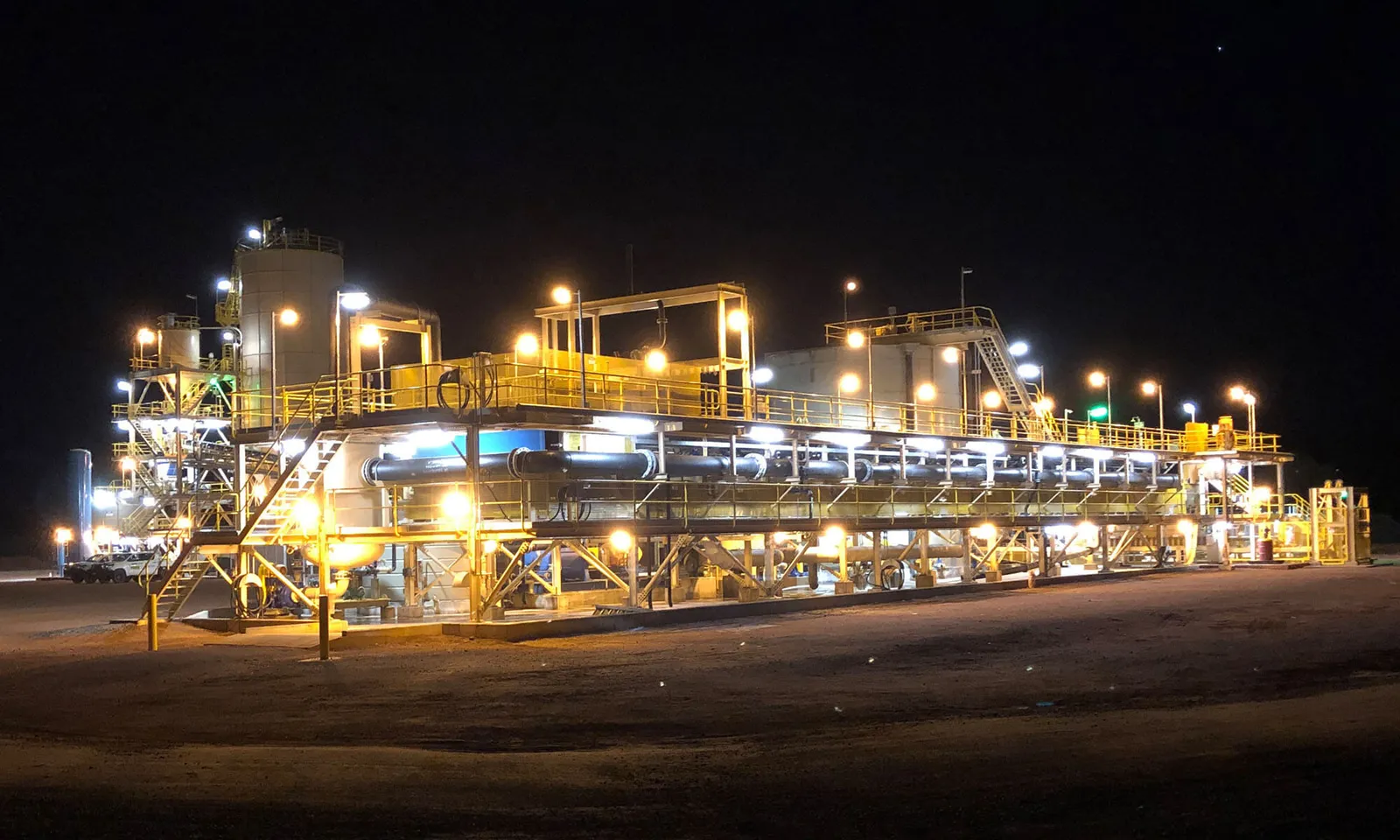
Three in the morning, the SAG trips. The mill coasts down, the cyclones lose feed, and the flotation bank behind it starts running on what's left in the sump. Up the line the crushers keep feeding a stockpile that was never sized to hold a stalled circuit, and the conveyor ahead of the mill stacks ore against a wall it isn't meant to reach. The fitter on shift has seen this trip before, or someone has, but that someone is on days off, or two rosters ago, or at a sister operation a thousand kilometres away. So the circuit stays down while the floor works back from scratch to an answer that already exists.
That hour isn't a repair. It's a search. And on a high-throughput plant, search time is the most expensive time you own.
Why a comminution circuit punishes a lost fix
A comminution circuit is coupled end to end, so the machines fail together. A tripped SAG idles the gyratory and cone crushers feeding it and starves the flotation cells behind it at the same moment, and the cost of a stop is the whole circuit, not one unit. On a high-throughput plant it climbs into the tens of thousands an hour before you count the surge bins backing up, the stockpile you have to claw back through, and the slow ramp to bring a mill back up to load.
The repair is rarely the hard part. The diagnosis is. Most stoppages on a mature circuit are not new faults. They are a cyclone choke, a slurry pump gland gone dry, a bearing alarm someone already chased down on another shift or another circuit, whose answer never made it past their own memory.
Your CMMS records that the mill came offline. It will never surface how the fitter got it grinding again.
The kit a single fix has to know: crusher to SAG mill to flotation
A processing circuit is multi-OEM from the ROM bin to the tailings line. Acervas indexes every fix against the exact machine, make, model and variant, so a search for a SAG mill bearing fault or a slurry pump gland problem lands on your kit, not a generic answer.
- Gyratory & cone crushers
- MetsoSandvikFLSmidththyssenkrupp (Polysius)
- SAG, AG & ball mills
- MetsoFLSmidththyssenkrupp (Polysius)CITIC Heavy Industries
- Slurry pumps & hydrocyclones
- Weir Minerals (Warman)MetsoFLSmidth (Krebs)KSB GIW
- Flotation cells & columns
- Metso (Outotec TankCell)FLSmidth (Dorr-Oliver)Eriez
- Vibrating screens & feeders
- MetsoSchenck ProcessSandvikHaver & BoeckerWeir Minerals (Enduron)
- Thickeners & filters
- Metso (Outotec)FLSmidthMcLanahan
- Conveyors & transfer components
- thyssenkruppMetsoContiTechFlexco
Where the fix lives now, and where it should
Right now the answer lives in the heads of the fitters who have run the circuit longest. It leaves on the next crew change, and it walks off site the day they retire or move to the next operation. A logbook only helps if the next person reads it; a work order tells you the mill went down; what the fitter actually did to clear the SAG bearing alarm or unblock the cyclone is a note nobody writes up in full at 2am, and nobody can find later.
Acervas captures the fix the moment it's made: voice, photo or text, on the circuit, hands still dirty, in seconds. The next time that fault appears on any shift or circuit, the last fix is the first thing the operator sees. A four-hour cold troubleshoot on a Warman pump becomes "check the gland seal water pressure": the diagnosis you already paid for, handed straight back. Acervas isn't a CMMS and doesn't replace one; it's the knowledge layer on top, pointing each fix back to the work order.
And because the same Metso SAG mills and Weir slurry pumps run at operations you will never visit, a fix logged at one company can answer the same fault at another, anonymised: company, site, circuit and the name of whoever solved it are stripped out before anything travels. You opt in, you both give and get, and your own plants' fixes always rank first.
So, a few honest questions
- –When your last SAG trip cleared at 3am and the whole circuit came back, where did that fix end up: the CMMS, or one fitter's head?
- –If that fitter handed in their notice tomorrow, how much of your circuit walks off site with them?
- –When a cyclone choke or a slurry pump gland fault recurs three months later on the other crew, how does the next person find out it's been seen before?
- –Of last quarter's stoppages, how many were genuinely new, and how many had been solved before, just not by whoever was on shift?
If those stung a little, that's the gap. Acervas captures the fix the moment it's made and hands it to the next person who needs it: on your circuit, or on the same SAG mill at an operation you'll never visit.
Questions engineers ask first
- Does it work with our existing CMMS?
- Yes. Acervas runs alongside it. Your CMMS stays the system of record; Acervas is the knowledge layer on top, reading your machine hierarchy and pointing each fix back to the work order. It does not replace your CMMS.
- Our circuit is multi-OEM, does that matter?
- No, that is the point. Acervas indexes fixes against make, model and variant, so a Metso SAG mill, a Weir Warman pump and a Sandvik crusher each carry their own searchable history instead of one undifferentiated pile.
- Are our fixes shared with other processing plants?
- Pooled by machine and anonymised. The make and model travel the network; your company, site, circuit and people do not. You choose whether to join, and you can leave.
- How fast before it is useful on the floor?
- Fixes start being captured in the first week, and the answers compound as your crews log them, and as other plants on the same machines do too.
See how Acervas works with your CMMS, or talk to us about your line.
Stop losing knowledge. Start building on it.
Tell us about your plants. We'll onboard your first one free for 90 days: your engineers are capturing knowledge inside a week.