Cement & Building Materials
A cold kiln doesn't restart in an hour. Acervas keeps the fix that brings it back faster.
A rotary kiln is the most expensive thing on a cement site to stop and the slowest to start. Once the refractory has cycled through a cold trip, you are into a controlled reheat measured in hours, not minutes, and the chain behind it stays idle the whole way up. The fix that gets you there faster is the most valuable thing on site, and today it lives in one senior fitter's head.
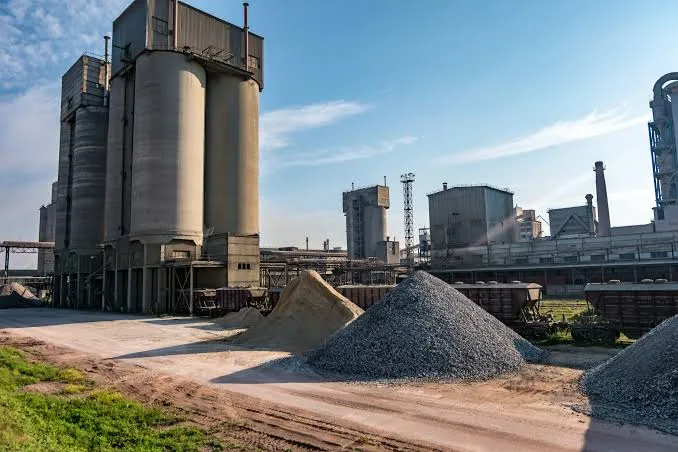
The kiln trips on a night shift. Maybe a cooler grate jams, maybe a fan drops out, maybe a build-up finally lets go. It barely matters which, because the moment the flame is out the clock that matters is not the repair clock. It is the refractory clock. The lining that has been sitting at clinkering temperature is now cooling, and every degree it loses on the way down is a degree you have to put back on a controlled ramp, slow enough that the brick does not spall.
So the real cost of the stop is not the hour it takes to free the grate. It is the hours of reheat that follow it, multiplied by every thermal cycle that quietly shortens the campaign life of that lining. Get the diagnosis wrong and chase the symptom instead of the cause, and you do it all again next week.
Why a cement line punishes a lost fix harder than most
A kiln line is unforgiving by design. The stages feed each other: a tripped raw mill starves the preheater, a cooler fault backs heat into the kiln, a kiln stop idles everything behind it at once. The cost of a stop is the whole line, not one machine, and on an idled kiln it climbs into the tens of thousands per hour before you have even counted the refractory you cycled and the reheat you now owe.
And the repair is rarely the hard part. Ring formation, build-ups, a tyre creep that has drifted out of band, a grate jam on the cooler: most of these have been seen before, on another shift or another kiln, by someone who worked out the cause and the fix and then took it home in their head. The four hours you lose are not spent turning spanners. They are spent rediscovering an answer the last crew already paid for at 3am, three months ago.
Your CMMS logs that the kiln went out. It has never once logged how the last crew got the reheat right.
The kit a single cement-plant fix has to know
A cement line is multi-OEM from the quarry to the packer, and rarely from one supplier end to end. Acervas indexes every fix against the exact machine, make, model and variant, so a search on a vertical roller mill or a clinker cooler lands on your kit, not a generic answer.
- Crushers & raw material handling
- FLSmidththyssenkruppMetsoSandvikHazemag
- Vertical roller mills & raw milling
- LoescheGebr. PfeifferFLSmidththyssenkrupp Polysius
- Preheater towers & precalciners
- FLSmidthKHDthyssenkrupp Polysius
- Rotary kilns & main burners
- FLSmidthKHDthyssenkrupp PolysiusFives PillardFCT Combustion
- Clinker coolers
- FLSmidthKHDthyssenkrupp PolysiusIKNClaudius Peters
- Cement mills & roller presses
- Christian PfeifferKHDFLSmidththyssenkrupp PolysiusGebr. PfeifferLoesche
- Packing & dispatch
- Haver & BoeckerClaudius PetersFLSmidth VentomaticBEUMER
Where the fix lives now, and where it should
Right now the answer to your worst kiln faults lives with the people who have run the line longest. It leaves on the next shift change and it walks out the gate the day they retire. A logbook only helps if the next person reads it; a work order tells you the kiln stopped; what the fitter actually did to bring the chain back up without spalling the brick is a note nobody writes up in full at 2am, and nobody can find later.
Acervas captures the fix the moment it is made: voice, photo or text, at the machine, in seconds, while the line is still fresh in the fitter's head. The next time that fault appears on any shift or kiln, the last fix is the first thing the operator sees. A four-hour cold troubleshoot on a raw mill becomes check the mill differential and the rejects damper: the diagnosis you already paid for, handed straight back.
And because the same FLSmidth kilns, Loesche mills and KHD preheaters run in plants you will never meet, a fix logged in one company can answer the same fault in another, anonymised: company, plant, kiln line and the name of whoever solved it are stripped out before anything travels. You opt in, you both give and get, and your own plants' fixes always rank first. Acervas does not replace your CMMS: it is the knowledge layer that sits on top of it.
So, a few honest questions
- –The last time a kiln trip turned into a cold restart, how much of getting the reheat right came down to one fitter being on shift that night?
- –When the same build-up or ring forms again on a different kiln or a different crew, how does the next person find out it has been seen and solved before?
- –If your most senior kiln man handed in his notice tomorrow, how many hours of reheat would the rest of the site relearn the hard way?
- –Of last quarter's stoppages, how many were genuinely new, and how many had already been solved, just not by whoever was on shift?
If those stung a little, that is the gap. Acervas captures the fix the moment it is made and hands it to the next person who needs it: on your kiln line, or on the same machine in a plant you will never meet.
Questions engineers ask first
- Does it work with our existing CMMS?
- Yes. Acervas runs alongside it: your CMMS stays the system of record, Acervas is the knowledge layer on top, reading your machine hierarchy and pointing each fix back to the work order.
- Our line runs FLSmidth, KHD, Loesche and Polysius all at once. Does that matter?
- No, that is the point. Acervas indexes fixes against make, model and variant, so a Loesche raw mill, an FLSmidth clinker cooler and a KHD roller press each carry their own searchable history instead of one undifferentiated pile.
- Are our fixes shared with other cement plants?
- Pooled by machine and anonymised. The make and model travel the network; your company, plant, line and people do not. You choose whether to join, and you can leave.
- How fast before it is useful on the floor?
- Fixes start being captured in the first week, and the answers compound as your team logs them, and as other plants on the same machines do too.
See how Acervas works with your CMMS, or talk to us about your line.
Stop losing knowledge. Start building on it.
Tell us about your plants. We'll onboard your first one free for 90 days: your engineers are capturing knowledge inside a week.